Posts

Fun Facts about Rice

Image
  Do you know that there are over 120,000 varieties of rice grown worldwide? Mind-blowing, right? Rice is an increasingly important food in Nigeria . It is easy to produce and grows both for sale and home consumption. Traditionally seen as a luxury food reserved for special occasions only, with the increased availability of rice, it has become part of the everyday diet for many people in Nigeria. There are many varieties of rice grown in Nigeria; some of these are considered 'traditional' varieties, while others have been introduced within the last twenty years.   Fun Facts ·          Many cultures have evidence of early rice cultivation, including China, India, and the civilizations of Southeast Asia. However, the earliest archaeological evidence comes from central and eastern China and dates between 7000–5000 BC. ·          Uncooked rice can contain spores of Bacillus cereus, bacteria tha...
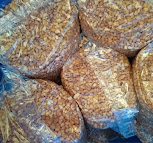
Beans as Protein

Image
  Is Beans Protein? Any molecule that is composed of carbon, hydrogen and oxygen can be referred to as a carbohydrate in nature, provided no other elements or molecules are attached to it. In other words, C 6 H 12 O 6 stands for the simplest carbohydrate (glucose), while C 2 H 5 OH is the simplest alcohol; the presence of a hydroxyl ion has affected this molecule. Once another element is introduced into the carbohydrate molecule, it becomes something different; for example, protein has Nitrogen in addition to Carbon, Hydrogen and Oxygen. There are two main types of protein: Fibrous and Globular. Beans, a popular food that has always been classified as protein, is now being labelled as carbohydrate, identifying as proteins. Those under this illusion say that the percentage of protein in beans is not high enough for it to be classified as protein. Another school of thought simply states that beans should be classified as carbohydrates. If so, then by the same token egg should ...

How to use Uncle Favour's Beans Flour

Image
 Using Uncle Favour's Beans Flour for Akara                              Materials Needed 1 cup of Uncle Favour's Beans Flour 350ml of clean water Chopped onions Chopped peppers Salt Vegetable oil Procedure Measure one cup of Uncle Favour's Beans flour into a clean bowl. Add 350ml of clean water then beat into a paste. Let stand for about three minutes to allow the paste to settle. Before beating in the chopped peppers and onions, check the consistency of the paste, if too thick add more water to your required consistency, then add salt to taste. Beat in the chopped vegetables. Pour some vegetable oil into a frying pan, slice in some onions. When the onion becomes brown in colouration, remove from the oil. Using a spoon (preferably a dessert spoon) take Spoonfuls of paste and drop portions into the oil to fry. Akara is ready when brown on both sides. Served with Ogi, Custard, Oats, or Garri. It can also be e...

Using Uncle Favour's Peeled Beans for Gbegiri Soup

Image
 Preparing Gbegiri with Uncle Favour's Peeled Beans                                        Gbegiri soup is a popular soup in the western part of Nigeria. Here's how to make it: Ingredients:  2 cups of Uncle Favour's Peeled Beans  2 cooking spoons of palm oil  2 medium onions (chopped)  2 large red bell peppers  3 Scotch bonnet peppers  2 tablespoons of ground crayfish  2 seasoning cubes  Meat or fish (optional)  Salt (to taste) Instructions: 1. Rinse the beans in cold water and soak for about an hour or two in water. 2. Boil the beans in a large pot with enough water for about 30 minutes or until it’s soft. 3. Using a hand blender or a blender, blend the cooked beans to a smooth paste and set aside. 4. While the beans are simmering, place the onions, peppers, and crayfish in a blender and blend to a fine paste. 5. Heat the palm oil in a so...

Making Hot Uncle Favour's Hibiscus Tea

Image
Uncle Favour's Hibiscus Tea  ( Promoting Health and Vitality ) How to achieve the perfect Uncle Favour's Hibiscus Tea brew. 1. Place one bag in a cup or mug. 2. Use freshly boiled water. (Re-boiled has no oxygen. Oxygen helps bring out the flavour in a Tea.) 3. Allow to stand for 3 minutes or until the desired strength is achieved 4. Add sugar or honey to taste. *Do not add milk.  

Hibiscus Tea - Benefits and Side effects

Image
  Hibiscus Tea This tea is known for its red colour that it takes from the plant it is made from, as well as its tart flavour.  The tea is popular around the world and is consumed either hot or as an iced beverage. The beverage is high in vitamin C and is also thought to provide us with a variety of health benefits. Some of these health benefits are listed below. Balances Cholesterol Levels: Eating the right foods can help achieve a healthy a healthy balance between the diverse types of cholesterol. Complementing your diet with Hibiscus Tea can help achieve this. Studies have shown that the tea is effective at not only decreasing the level of bad cholesterols in the blood but also increasing the level of good cholesterols. In other words, drinking Hibiscus tea from time to time can give a boost to health overall. Improves Liver Health: Livers can be protected if the right kind of food is eaten. Hibiscus tea helps to keep the liver healthy to forestall some unwelcome sympt...